
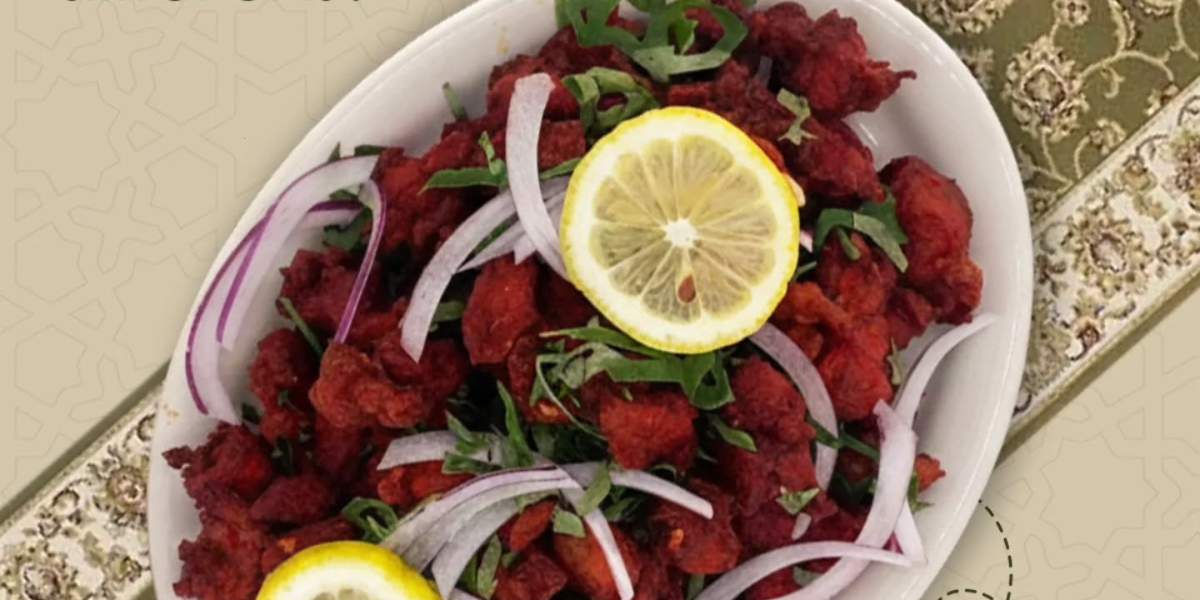
Biryani is one of those dishes that never needs an introduction, but Chicken 65 Biryani deserves a closer look.
This newly introduced dish has been quietly winning over food lovers across the US, a South Indian creation that takes the crispy, fiery goodness of Chicken 65 and blends it with fragrant, slow-cooked basmati rice.
Traditional Chicken Biryani has always held its ground as a timeless classic. Rich, aromatic, and deeply spiced, it has fed generations across South Asia and beyond.
So what actually separates the two? The answer is more interesting than most people expect.
Chicken 65 Biryani is a South Indian dish that brings together two iconic recipes under one name.
It starts with Chicken 65, a deep-fried appetizer that was born in Chennai in 1965 at the famous Buhari Hotel. The name itself has an interesting story. Some say it was the 65th item on the menu. Others believe it took 65 days to perfect the marinade. A few food historians even suggest the dish was originally made with 65 chili peppers. No single version has been confirmed, but the name stuck and so did the dish. There are also some facts that say the name is called 65 because it was originated in 1965.
The recipe is different from the traditional one. The chicken is marinated in red chili powder, yogurt, ginger paste, garlic, lemon juice, and a bold mix of whole and ground spices. It rests in that marinade for hours, soaking up every layer of flavor before it hits hot oil. It is later fried and this frying process locks in the moisture while building a crispy, slightly charred outer coat.
That fried chicken then gets layered into aged basmati rice cooked with whole spices like cardamom, cloves, bay leaves, and star anise. Caramelized onions, fresh mint, and saffron go in between the layers. Many cooks seal the pot and finish it dum style, trapping the steam inside to let every grain absorb the flavors slowly.
The taste is fiery, tangy, and deeply savory all at once. The yogurt in the marinade adds a mild sourness that balances the heat. The whole spices in the rice bring a warm, earthy depth that keeps every bite interesting.
The texture is where Chicken 65 Biryani truly separates itself. The fried chicken holds its crunch even after layering, giving you a contrast between crispy bites of meat and soft, fluffy grains of rice. It is bold, it is layered, and it hits differently from anything a traditional biryani offers.
Traditional Chicken Biryani is one of the oldest and most enjoyed rice dishes in South Asian cuisine.
Its roots trace back to the Mughal era, when Persian-influenced cooking techniques made their way into the royal kitchens of India.
Over centuries, the dish traveled across regions, picking up local spices and cooking styles along the way. Today, every region has its own version: Hyderabadi, Lucknowi, Kolkata, and Malabar biryani all carry their own distinct identity.
In this recipe, the chicken is never fried. It is marinated raw in yogurt, whole spices, ginger, garlic, and sometimes saffron-infused milk. That marinated chicken goes straight into the pot, slow-cooking alongside the rice and releasing its natural juices into every grain. Some recipes are different from this and do not require marination. In such recipes, gravy is made and layered with rice.
The cooking method is what defines it. Dum cooking is the heart of traditional biryani. The pot is
sealed with dough or a heavy lid, trapping all the steam inside. The rice and chicken cook together slowly, exchanging flavors over low heat for a long stretch of time.
The taste is warm, aromatic, and layered with a gentle heat. It does not chase boldness. It builds flavor quietly and deliberately through technique rather than intensity.
The texture is soft throughout. The chicken is tender enough to fall off the bone, and the rice grains stay long, separate, and fully soaked in spiced broth. There is no crunch, no contrast, just a smooth, cohesive bite that feels deeply satisfying.
Traditional Chicken Biryani is not trying to surprise you. It is the kind of dish that has earned its place at the table over hundreds of years, and every bite reminds you exactly why.
Both dishes share the same base, spiced chicken, fragrant basmati rice, and a smooth gravy, but the moment you lift the lid, the differences become impossible to ignore.
The story of each dish starts in a different place. Traditional Chicken Biryani traces its lineage back to the Mughal courts of medieval India, shaped by Persian cooking traditions and centuries of refinement. Chicken 65 Biryani is a much younger creation, born in the streets and restaurants of Chennai in the latter half of the 20th century. One carries the weight of history. The other carries the energy of modern South Indian cooking.
The ingredients tell two very different stories as well. Traditional biryani keeps the chicken raw going into the pot, relying on slow heat to build flavor from the inside out.
Chicken 65 Biryani starts with chicken that has already been deep fried, marinated heavily in chili, yogurt, and spices before it ever meets the rice. The fried chicken brings its own fully developed flavor into the dish rather than building it during cooking.
The cooking method is where the gap widens the most. Traditional biryani is built on patience. The dum technique seals everything together, letting the chicken and rice cook in each other’s steam over a long, slow process.
Chicken 65 Biryani is more direct. The rice and the fried chicken are layered and either finished dum style or simply tossed together, but the chicken has already done most of its cooking before it reaches that stage.
Flavor and spice levels sit at opposite ends of the spectrum. Traditional biryani is warm, aromatic, and gently spiced. The spice is present but never aggressive.
Chicken 65 Biryani leads with bold, fiery flavour from the first bite. The tangy, chili-forward marinade of the fried chicken bleeds into the rice, giving the whole dish an intensity that traditional biryani never chases.
Traditional biryani is soft and cohesive from top to bottom. The chicken is tender, the rice is fluffy, and every bite feels uniform.
Chicken 65 Biryani offers contrast. The crispy fried coating on the chicken holds up even after layering, giving you crunchy bites of meat against soft, spiced rice.
Visually, Chicken 65 Biryani sits in deep reds and vibrant orange tones from the chili marinade. Traditional biryani carries a golden, saffron-tinted appearance that feels more refined and layered.
Here is a side by side look at how the two dishes compare across every major point:
Features | Chicken 65 Biryani | Traditional Chicken Biryani |
Origin | Chennai, South India | Mughal Era, North/South India. Persia |
Chicken Preparation | Deep fried and pre-marinated | Raw, marinated in yogurt and spices |
Cooking Method | Layered, sometimes dum finished | Full dum cooking, sealed pot |
Spice Level | Bold, fiery, and tangy | Warm, aromatic, gentle heat |
Texture | Crispy chicken, soft rice | Tender chicken, fluffy rice |
Flavor Profile | Intense, chili-forward, layered | Subtle, aromatic, slow-built |
Appearance | Reddish, vibrant, textured | Golden, saffron-tinted, uniform |
Cooking Time | Shorter due to pre-fried chicken | Longer, slow dum process |
Best Suited for | Spice lovers, bold flavor seekers | Those who prefer classic, refined flavors |
Regional Identity | South Indian, Tamil Nadu | Pan-Indian, multiple regional versions |
The answer really comes down to what you are looking for on your plate.
Chicken 65 Biryani is the right pick if you enjoy bold, spicy food with layers of heat and a satisfying crunch. It is a dish that makes its presence known from the first bite and keeps delivering through the last.
Traditional Chicken Biryani suits those who appreciate depth built through technique. The flavors are slower, more refined, and every grain of rice tells the story of the cooking process behind it.
First time trying biryani? Start with the traditional version to understand the foundation. Already a biryani lover looking for something new? Chicken 65 Biryani is worth every bite.
Both dishes deserve a place at the table. Traditional Chicken Biryani is a timeless classic that has stood the test of centuries.
Chicken 65 Biryani is a bold, modern take that has earned its own loyal following. Try both, and let your taste buds make the final call.
Have Questions? We’ve Got Answers!
It does carry a strong heat level compared to most Indian rice dishes. If you have a low spice tolerance, ask for a milder version at your local restaurant. Most places are happy to adjust the chili level on request.
It takes a few more steps than a regular biryani since the chicken needs to be fried separately first. But with the right marinade and a good basmati rice, it is very achievable at home even for a beginner cook.
Raita, a simple yogurt-based condiment, works best. It cools down the spice level and balances the bold spices in the dish.
It started as a restaurant dish in Chennai but has since made its way into street food culture across South India and beyond.