
Secrets Behind Perfectly Spiced Indian and Pakistani Cuisine
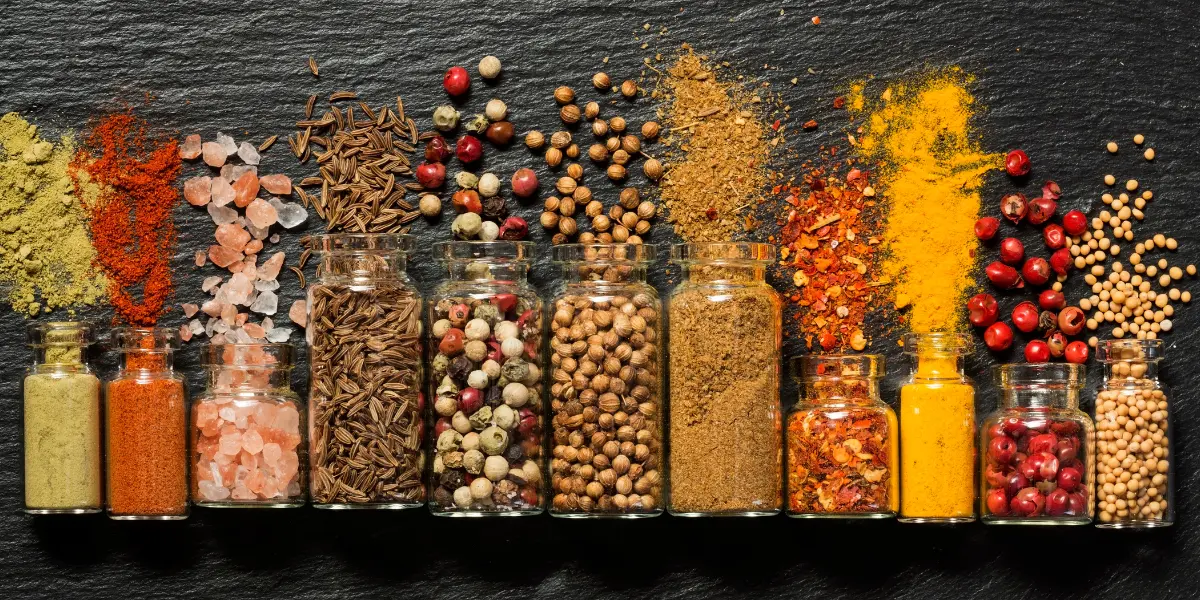
Secrets behind perfectly spiced Indian and Pakistani cuisine reveal how balance, timing, and fresh spices shape every traditional dish.
South Asian food continues to grow across the United States, and the National Restaurant Association reports rising demand for global flavors each year. Texas cities such as Houston and Dallas show strong South Asian restaurant growth, which reflects this trend.
Each recipe relies on layering spices step by step to build aroma, richness, and gentle spice levels. Flavor works alongside fragrance and texture to create a taste on the plate.
To see how this balance comes together, let’s look at the core spices and techniques that define authentic cooking.
Perfectly spiced Indian and Pakistani cuisine refers to food where every spice has a clear purpose and balanced proportion. The flavor feels complete rather than sharp or flat. The Aroma rises before the first bite, and taste develops step by step across the palate. Spices supports the dish instead of dominating it.
Perfectly spiced Indian and Pakistani cuisine delivers flavor that feels balanced, layered, and aromatic. Each spice is measured carefully so no single taste dominates. The aroma rises as soon as the dish is served, and every bite unfolds in a smooth, satisfying way.
The goal is never to overwhelm. A perfectly spiced dish makes every ingredient feel intentional. The spices lift the protein, the vegetables, or the lentils, and the dish feel incomplete without these spices.
Certain spices appear in nearly every Indian and Pakistani kitchen. Knowing what each one does and when to use it, is the first real secret of this cuisine.
Cumin is one of the most foundational spices in South Asian cooking. Whole cumin seeds go into hot oil at the very start of a recipe, releasing a deep, earthy fragrance that becomes the base note of the entire dish. Ground cumin, added later, adds a smoother, roasted warmth to the flavor.
Ground coriander has a mild, citrusy quality that softens the sharpness of other spices. It is almost always paired with cumin. Together, they form the backbone of most curry and masala blends used in both Pakistani and Indian cooking.
Turmeric is used in small amounts, usually no more than half a teaspoon in a dish serving four. It gives food its golden color and adds a subtle earthy bitterness. It also has well-documented anti-inflammatory properties, which is why it appears so consistently across South Asian food traditions.
Garam masala is a blend of warm spices, typically cardamom, cinnamon, cloves, black pepper, and cumin. It is almost always added at the end of cooking, not the beginning. Adding it too early burns off its aromatic oils, which are the very reason it exists in the recipe.
Red chili controls the heat level. Pakistani cooking generally uses more chili than much of Indian cooking, though both traditions vary enormously by region. The key is proportion chili should add a warmth that builds gradually, not a sharp burn that arrives immediately and drowns everything else.
Understanding which spices to use is only half the picture. The actual secrets lie in how and when those spices are used. This is where authentic South Asian cooking separates itself from imitations.
The single most important technique in South Asian cooking is blooming whole spices in oil before anything else goes into the pan. When cumin seeds, mustard seeds, cardamom pods, or cloves hit hot oil, they release their essential oils into the fat. Everything cooked afterward absorbs those oils, creating a depth of flavor that simply cannot be achieved by adding ground spices to liquid.
This step takes less than 60 seconds but skipping it produces a noticeably flat result. The difference between bloomed and unbloomed spices is the difference between a dish that smells alive and one that merely tastes seasoned.
Onions are not just a vegetable in South Asian cooking; they are the structural foundation of almost every gravy and curry. The degree to which onions are cooked before spices are added changes the entire character of the dish.
Lightly cooked onions produce a sharper, more pungent base. Slowly caramelized onions, cooked until deep golden brown, produce a sweet, rich foundation that balances heat and makes the gravy smooth and full-bodied. Most authentic Pakistani curries and Indian masalas require the second approach. The patience needed here is one of the less glamorous but most important secrets in this cuisine.
Bhunai is a Pakistani and North Indian cooking technique that translates roughly as frying and stirring simultaneously on high heat. After spices and tomatoes are added to onions, the mixture is cooked down aggressively, stirred, pressed, and allowed to catch very slightly on the pan before being lifted again.
This process drives off water, concentrates flavor, and develops a slightly roasted quality in the base. A well-executed bhunai produces a masala that is thick, fragrant, and deeply colored. It is the foundation of dishes like karahi, nihari, and beef or chicken salan.
Pre-made ginger-garlic paste from a jar is convenient, but freshly ground ginger and garlic produce a noticeably brighter, more complex flavor. In traditional South Asian kitchens, both are ground together using a stone mortar or a small blender with minimal water.
The sulfur compounds in fresh garlic and the gingerol in fresh ginger behave differently from the processed versions. They integrate into the oil and onion base more effectively, giving the dish a clean pungency that lifts the entire flavor profile.
One of the most common mistakes in South Asian cooking is adding all spices at once. An authentic technique involves adding spices in stages:
Each stage builds on the previous one. This is what creates the layered, multi-dimensional flavor that makes South Asian food so memorable.
The freshness of spices matters more in South Asian cooking than in almost any other cuisine. Ground spices begin losing their volatile aromatic oils within weeks of grinding. A jar of cumin powder that has been sitting on a shelf for 18 months will produce a noticeably duller result than freshly ground cumin from whole seeds.
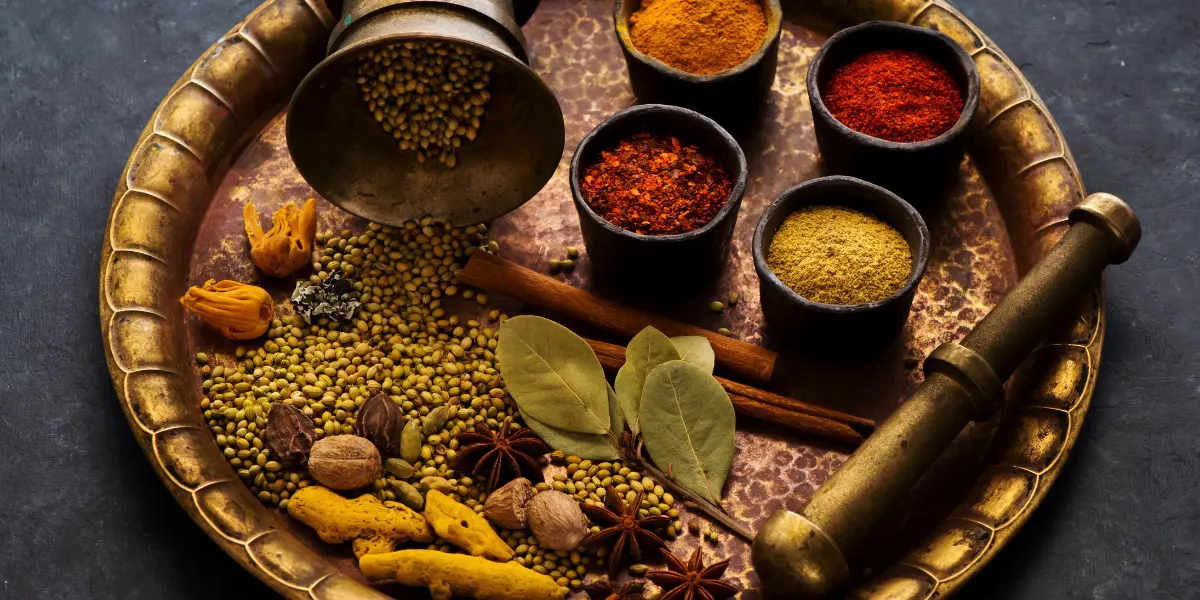
Both cuisines share many of the same spices, but the approach varies significantly by region. Understanding these differences helps explain why the same dish can taste so different depending on where it was made.
Pakistani cooking, particularly in Punjab and KPK, tends toward bolder, more robust spicing with a strong emphasis on meat-based dishes. Karahi, nihari, haleem, and biryani all feature deeply cooked masalas with generous use of whole spices, ghee, and fresh chili. The bhunai technique is central. Yogurt is used to tenderize meat and add creaminess without dairy heaviness.
North Indian cooking shares many characteristics with Pakistani cuisine due to geographic and cultural proximity. Dishes like butter chicken and dal makhani use cream and butter to balance spice heat, creating a softer, richer flavor profile. The Mughal culinary tradition, with its use of dried fruits, saffron, and nut-based gravies is more visible in North Indian cooking than in Pakistani cuisine today.
South Indian cooking introduces an entirely different spice logic. Mustard seeds, curry leaves, dried red chilies, and asafoetida (hing) bloomed in coconut oil create a flavor base that is completely distinct from the cumin-onion foundation of northern cooking. Tamarind replaces tomato as the souring agent, and coconut milk provides richness instead of yogurt.
The secrets behind perfectly spiced Indian and Pakistani cuisine are not hidden in rare or exotic ingredients. They are found in technique, timing, and the understanding that flavor is built in stages.
Blooming spices properly, cooking onions to the right stage, applying the bhunai technique with patience, and using fresh ingredients where they matter most, these are the practices that separate a truly great South Asian dish from an ordinary one.
Have Questions? We’ve Got Answers!
Cumin is arguably the most foundational; it appears in nearly every dish, either whole in hot oil or ground in the base. Coriander and turmeric follow closely as essential supporting spices.
It means no single spice dominates. The aroma, heat, and flavor all work together. Every bite tastes balanced and warm, but not sharp, aromatic but not overpowering.
Pakistani cooking generally uses more robust spicing, more meat-based recipes, and the bhunai technique more aggressively. Indian cooking varies more widely by region, with South Indian food being entirely different in its spice base and technique.
Fresh whole spices, toasted and freshly ground, always produce better flavor. For everyday cooking, buy ground spices in small quantities and replace them frequently rather than storing them for months.
Bhunai is a high-heat stirring and frying technique used after spices and tomatoes are added to the onion base. It concentrates flavor, removes excess water, and creates the deeply colored, thick masala that defines Pakistani and North Indian curries.
Garam masala should always go in at the end of cooking, just before serving. Adding it too early destroys its aromatic oils through prolonged heat, which removes the very fragrance it is meant to provide.