Shared Roots, Distinct Evolution
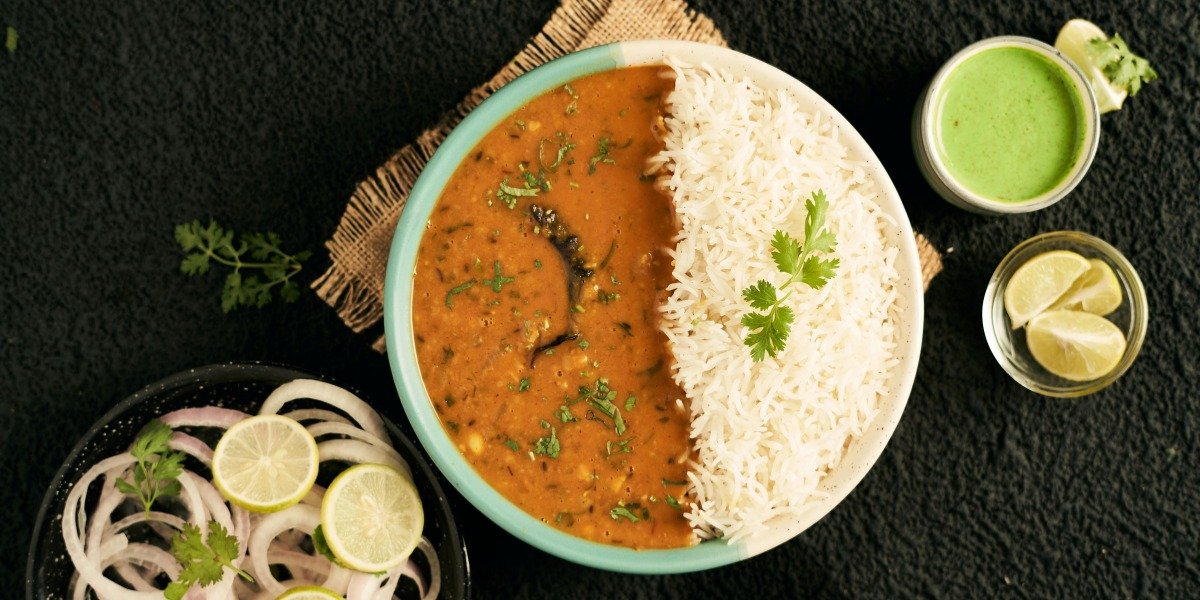
Indian and Pakistani cuisines both trace their origins to the Indian subcontinent, which was once united before the partition in 1947. Naturally, they share many ingredients and cooking methods. However, after the separation, the two nations evolved distinct culinary traditions influenced by religion, regional ingredients, and global interactions.
In India, vegetarianism became deeply ingrained due to Hindu beliefs, while Pakistan, being predominantly Muslim, focused more on meat-based dishes. Over time, these differences gave rise to two vibrant yet distinct cuisines that reflect the diversity of South Asia.
Ingredients and Spices
Both cuisines rely heavily on aromatic spices, but their combinations and intensity vary.
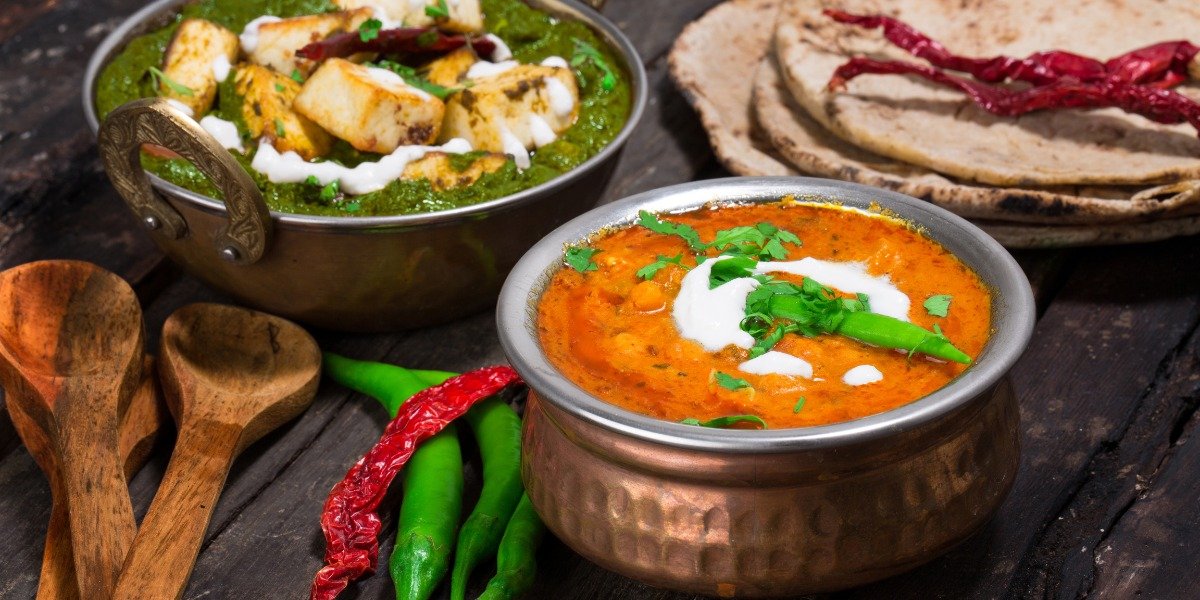
- Indian Food: Indian cuisine is known for its complex spice blends such as garam masala, turmeric, cumin, coriander, mustard seeds, fenugreek, and asafoetida. It often balances heat with sweetness or tang—think butter chicken, paneer tikka masala, or dal makhani. Regional variation is vast; for example, South Indian dishes use more curry leaves and coconut, while North Indian cuisine favors rich gravies made from ghee and cream.
- Pakistani Food: Pakistani dishes typically feature a deeper, smokier flavor profile. The use of whole spices, black cardamom, and cloves is more pronounced. Chili, black pepper, and ginger add heat and depth. Many Pakistani gravies, like nihari or karahi, are cooked on slow flames, allowing the meat and spices to fuse perfectly. Ghee or oil-based cooking gives Pakistani food its signature richness.
The Role of Meat and Vegetarianism
Perhaps the most defining difference between Indian and Pakistani food lies in their approach to meat.
- Pakistan: Being a Muslim-majority country, pork is never used, while beef, chicken, goat, and lamb are the stars of the menu. Dishes like seekh kebab, haleem, biryani, and chapli kebab are national favorites. Meat is central to nearly every meal, especially during festivals like Eid.
- India: In contrast, India has one of the largest vegetarian populations in the world. Many Indians, especially Hindus, avoid beef entirely. Paneer (Indian cottage cheese), lentils, and vegetables play a central role. However, regions like Punjab and Hyderabad are famous for their non-vegetarian delicacies, such as chicken tikka, lamb rogan josh, and Hyderabadi biryani.
In essence, Indian food showcases a perfect balance between vegetarian and non-vegetarian traditions, while Pakistani food leans heavily toward meat-based cuisine.
Bread and Rice Dishes
Both nations have an incredible variety of breads and rice dishes, but their styles differ slightly.
- Indian Breads: Indian cuisine features a wide range of breads like naan, roti, chapati, and paratha. Many are cooked on a tandoor or griddle. Stuffed parathas filled with potatoes, paneer, or cauliflower are especially popular in North India.
- Pakistani Breads: Pakistani breads such as tandoori naan, roghni naan, and sheermal tend to be richer and fluffier. Naan often accompanies curries like chicken karahi or paya. In street food, tandoor-cooked naan with seekh kebabs or haleem is a staple.
- Rice Varieties: Both cuisines love their biryani and pulao, but the flavors differ. Indian biryani often incorporates saffron and nuts, while Pakistani biryani, especially the Karachi and Sindhi versions, is more aromatic with spiced layers of meat and potatoes.
Cooking Techniques
Both cuisines are known for their elaborate cooking styles that bring out deep, layered flavors.
- In Indian Cooking, techniques like tempering (tadka), roasting, and slow simmering are common. Indian chefs often blend spices in stages, ensuring each layer of flavor builds gradually. Curry bases are frequently made from onions, tomatoes, and ground spices sautéed in ghee or oil.
- In Pakistani Cooking, grilling and slow-cooking are dominant methods. From tandoori kebabs to simmered nihari, the emphasis is on tenderness and aroma. Many dishes, especially in Punjab and Khyber Pakhtunkhwa, are cooked over open flames or charcoal for a smoky flavor that defines Pakistani cuisine.
Regional Influences
The diversity of each country adds depth and character to its cuisine.
- Indian Cuisine: The culinary landscape ranges from the spicy curries of Kerala to the rich gravies of Delhi and the coastal seafood of Goa. South Indian dishes like dosa and sambar contrast beautifully with North Indian favorites like butter chicken and naan.
- Pakistani Cuisine: Pakistan’s regional food is equally varied. Punjab is known for hearty dishes like saag and makki di roti, while Karachi offers a mix of Mughlai and Sindhi flavors. Peshawar’s cuisine is meat-heavy, featuring lamb karahi and chapli kebab. In Balochistan, slow-roasted meats like sajji are a delicacy.
Desserts and Sweets
No South Asian meal is complete without dessert, and both Indian and Pakistani sweets are rich, aromatic, and deeply satisfying.
- Indian Desserts: India offers a dazzling variety of sweets made from milk, ghee, and sugar. Favorites include gulab jamun, rasgulla, jalebi, kheer, and barfi. Regional specialties like South Indian payasam or Bengali sandesh show how diverse Indian desserts can be.
- Pakistani Desserts: Pakistan shares many sweets with India, but they are often slightly richer in taste and presentation. Gajar ka halwa (carrot pudding), sheer khurma (vermicelli with milk and dates), and rabri are festive favorites. During Ramadan and Eid, desserts like falooda and kheer are especially popular.
Cultural and Religious Influences
Religion has played a pivotal role in shaping both cuisines.
- Islamic Influence in Pakistani Food: Since Islam forbids pork and promotes halal food, Pakistani cuisine strictly adheres to these principles. Meals often start with Bismillah and feature meat dishes prepared according to halal guidelines.
- Hindu Influence in Indian Food: Many Hindus follow vegetarian diets and consider the cow sacred, avoiding beef entirely. This cultural belief has led to the development of countless vegetarian dishes that are flavorful, diverse, and satisfying.
The religious foundation of each cuisine not only determines the ingredients used but also defines the spirit in which food is prepared and enjoyed.
Dining Traditions and Presentation
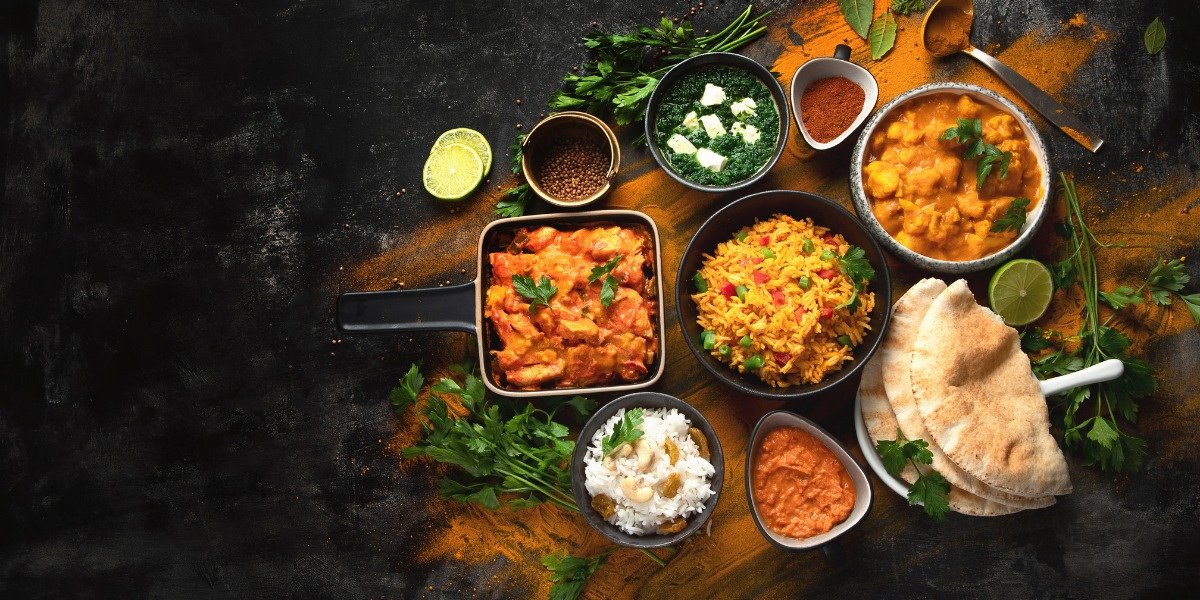
Despite their differences, both cuisines emphasize hospitality, generosity, and community. Meals are often shared family-style, with several curries, breads, and sides served together.
Indian meals often focus on balance—combining spicy, sweet, and tangy elements on a single plate. Pakistani meals tend to be richer and served with an emphasis on meat as the centerpiece. In both cultures, food is not just nourishment; it’s a celebration of togetherness.
Indian and Pakistani Food in the USA
In America, both Indian and Pakistani restaurants have grown in popularity for their bold flavors and comforting appeal. However, the subtle differences still shine through.
At Indian Flavors USA, we take pride in showcasing the authentic essence of both cuisines. From aromatic biryanis and tender kebabs to creamy curries and flavorful vegetarian dishes, our menu is a tribute to the shared heritage and unique charm of South Asian food. Whether you’re craving spicy Indian paneer or smoky Pakistani karahi, you’ll find it all under one roof.