
Food is more than just nourishment—it is deeply connected to culture, faith, and lifestyle. For Muslims around the world, following halal food guidelines is not simply about diet, but also about spiritual obedience and ethical living. The word halal means “permissible” in Arabic, and it defines what foods and drinks are allowed under Islamic law. At Indian Flavors, our mission is to bring people together over authentic Indian and Pakistani halal dishes, prepared with care, tradition, and respect for these values.
This article explores what halal food is, its rules and principles, the types of food that fall into this category, and why halal-certified dining matters for both Muslims and non-Muslims.
Halal is a comprehensive term that extends beyond food. In Islam, it refers to anything that is lawful or permitted in life, including actions, behavior, and practices. When it comes to food, halal means that the item is allowed for consumption based on the teachings of the Quran and Hadith.
The opposite of halal is haram, which means forbidden. For Muslims, consuming haram food is not just a dietary violation but also a spiritual concern. This is why the concept of halal is taken very seriously in everyday eating.
For food to be considered halal, it must meet certain guidelines:
These principles ensure not only spiritual compliance but also hygiene, health, and ethical practices.
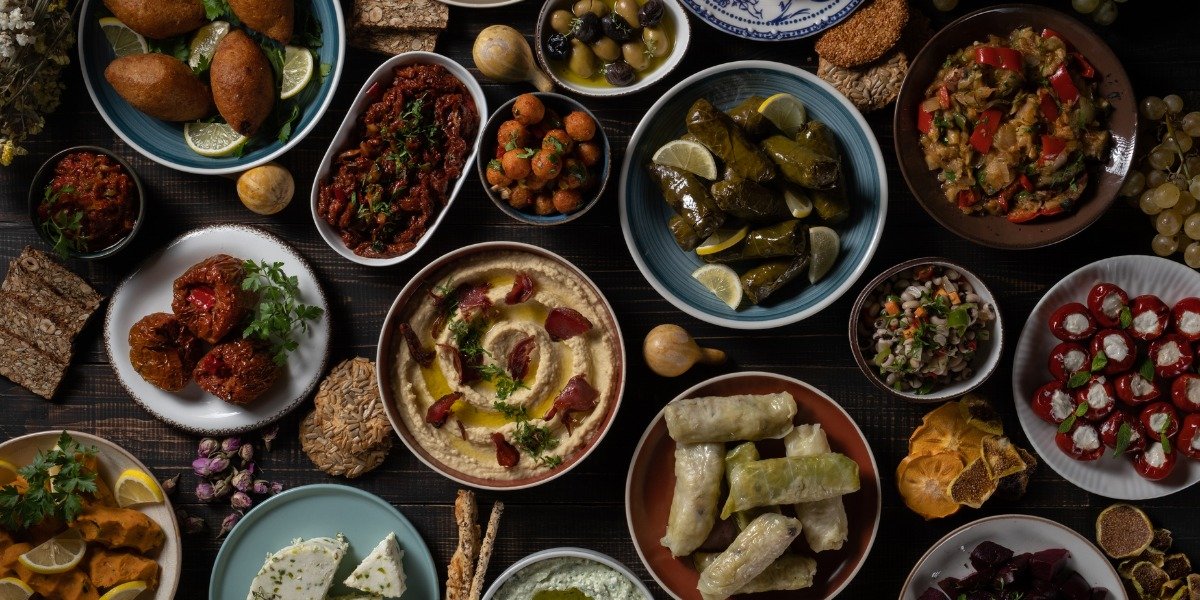
One of the most important aspects of halal food involves how animals are slaughtered. For meat like beef, lamb, chicken, and goat to be halal, they must be processed according to Islamic guidelines. At Indian Flavors, all our meats are sourced from trusted halal suppliers to guarantee authenticity.
Most seafood is considered halal and permissible to eat, though interpretations may vary across schools of thought. Fish, shrimp, crab, and other seafood dishes are popular items in halal cuisines.
All naturally grown fruits, vegetables, and grains are halal, provided they are not contaminated with haram substances during processing. Spices, rice, and lentils used in Indian cooking are naturally halal.
Milk, butter, cheese, and yogurt are halal unless they contain additives like animal rennet derived from non-halal animals or alcohol-based flavorings.
For packaged or processed foods, halal certification is important. Gelatin, emulsifiers, and flavorings may come from animal sources, so labels must be checked carefully.
For Muslims, eating halal food is a way to practice faith daily. It connects religious teachings with lifestyle choices. Halal food symbolizes:
It is not just about dietary restriction but about making choices that align with one’s values.
Many people, including non-Muslims, choose halal food for its health and quality standards. Some benefits include:
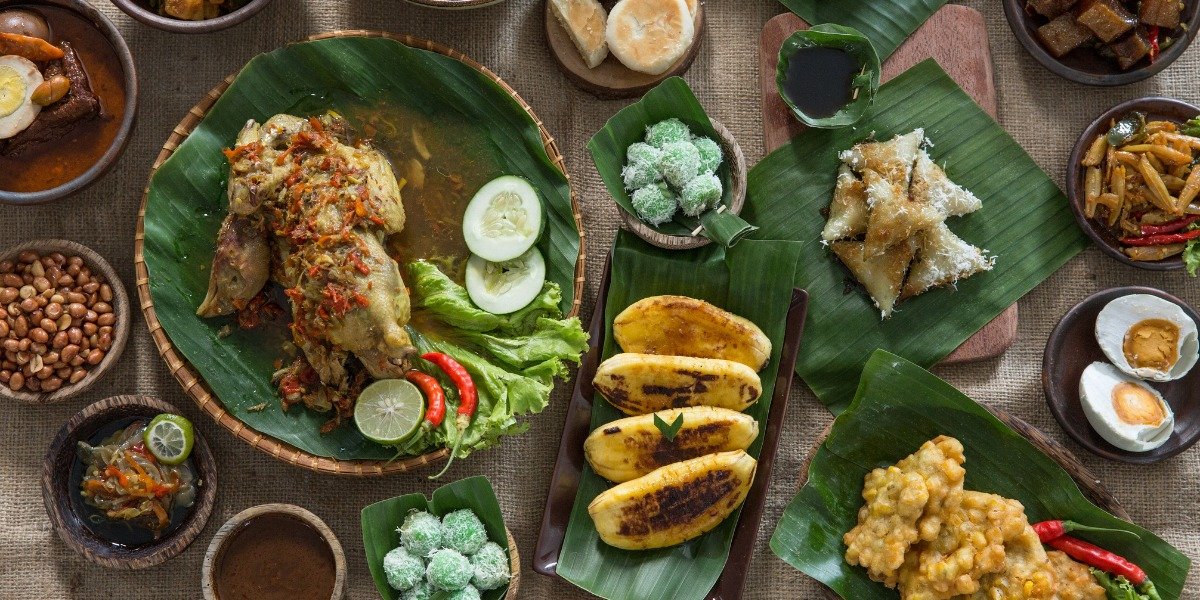
Indian and Pakistani food traditions are rich, diverse, and flavorful, with halal practices deeply rooted in the culture. From aromatic biryanis to sizzling kebabs, halal food brings authenticity to South Asian dining. Some popular halal dishes at Indian Flavors include:
Our menu ensures that both meat lovers and vegetarians can enjoy halal options.
For restaurants, halal certification builds trust with customers. It assures diners that their food meets religious and ethical requirements. At Indian Flavors, we carefully source our ingredients from halal-certified suppliers. This commitment ensures our guests can dine with peace of mind, knowing every meal respects halal traditions.
Interestingly, halal food has gained popularity among non-Muslims as well. Many people choose halal food because of its ethical treatment of animals, strict hygiene, and natural preparation methods. Halal-certified restaurants like Indian Flavors welcome everyone—Muslims and non-Muslims alike—to enjoy delicious meals in a trustworthy environment.
When you step into Indian Flavors, you are not just enjoying food—you are experiencing culture, hospitality, and authenticity. Our chefs prepare each dish with passion and respect for halal standards. From family dinners to special celebrations, our restaurant offers an inclusive dining experience where everyone feels welcome.
Whether you are craving spicy curries, fresh tandoori bread, or a sweet dessert, you can be confident that every bite is halal and flavorful.