
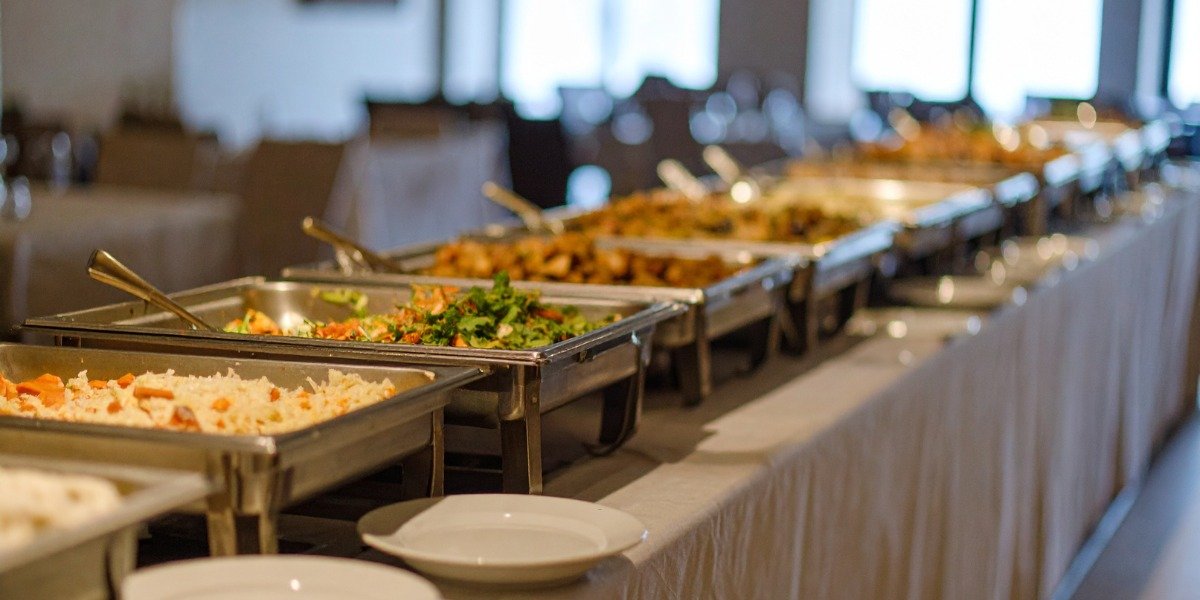
You know that great feeling when you walk into an Indian restaurant for lunch? The smells alone are enough to make you happy. You see that huge buffet spread, and you realize you have endless choices.
This isn’t an accident. The Indian buffet is truly massive in the West, and it is the main reason Indian food became so popular here. It is more than just a meal. It’s a smart piece of business and a brilliant cultural introduction.
The immediate, obvious appeal is the sheer value. When you pay a set price, you get an open invitation to explore. This removes all the stress of ordering. You don’t have to worry about picking the “wrong” thing from a long menu. You can be the curator of your own plate.
Indian cuisine, by its nature, is incredibly diverse. The food changes dramatically from the North, which is known for creamy curries and breads, to the South, famous for rice, lentils, and sour flavors. The buffet is the only way a restaurant can offer you this huge range all at once. It’s a tasting menu on a massive scale. Think about the variety you find lined up:
This huge selection guarantees that whether you are eating alone or bringing a group of people with different tastes, everyone can walk away happy.
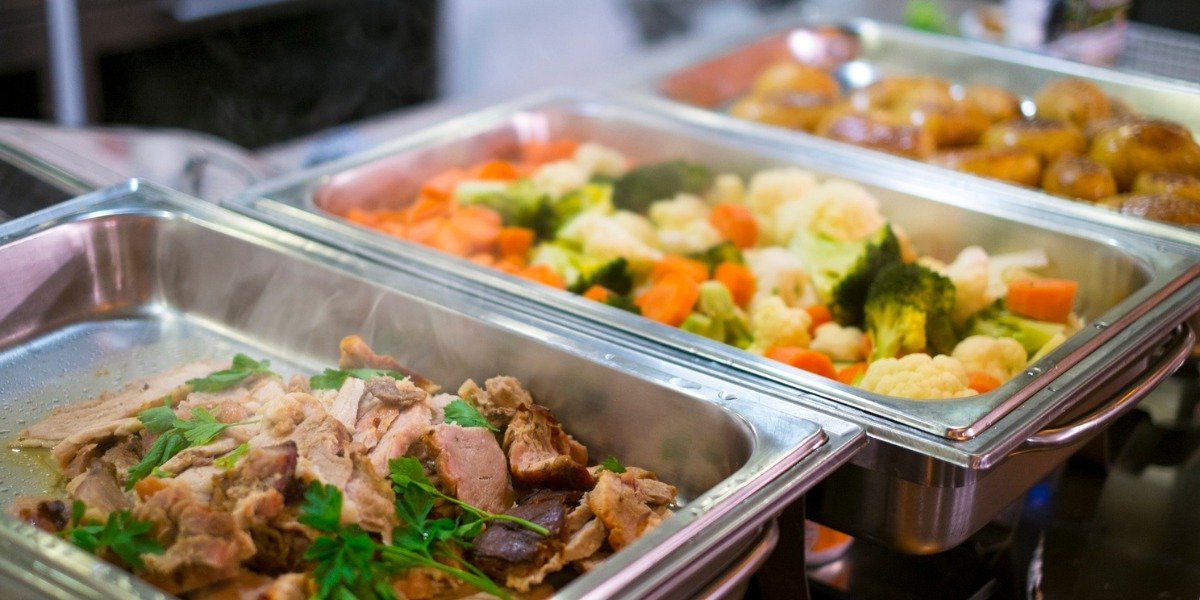
For many diners in the West, the buffet served as their introduction to Indian food. This is actually a brilliant strategy. Imagine you are looking at an unfamiliar menu. The names are new, and the ingredients sound complex. It’s intimidating. You worry about committing to a whole plate of something you might not enjoy.
The buffet eliminates that feeling. It allows you to take small, low-risk samples of everything. You can try a tiny spoonful of the spicy Vindaloo and then quickly cool your palate with some Korma. This freedom to experiment built confidence in the diner. It turned Indian food from an exotic option into a comfortable, regular choice. The experience is not about ordering; it’s about exploration.
The story of how Indian food conquered the West is really the story of immigration. The UK, for example, has had a long historical connection to the Indian subcontinent, but the boom in restaurants truly happened after the 1940s and 50s when many people from South Asia settled there.
When immigrants arrived in places like London, New York, and Vancouver, they naturally opened eateries. They initially focused on serving their own established communities. However, to thrive, they had to appeal to the local, non-South Asian population. This required some clever adaptation.
The buffet model was one of the most brilliant adaptations. It was a familiar dining format, think of a standard cafeteria or Sunday lunch spread. However, filled with exciting, new flavors. It offered something recognizable in terms of service but delivered something completely novel in terms of taste. This strategy instantly bridged the cultural gap.
There is a reason you see the same core dishes on every buffet line. These are the recipes that translated best and became universal favorites in places far from India.
Chicken Tikka Masala is the perfect example of this. While the idea of chicken marinated in spices (Chicken Tikka) is Indian, the creamy, rich tomato-based sauce was made hugely popular, possibly even invented, in the UK to suit the local preference for milder, saucier dishes. It’s a comfort food success story.
Similarly, the wide variety of vegetarian dishes is not an accident; it reflects the cuisine’s origins. Because vegetarianism is common in parts of India for religious and cultural reasons, the cuisine has developed hundreds of deeply satisfying meals without meat.
Dishes like Palak Paneer, a creamy spinach and fresh cheese curry or Masoor Daal (red lentil soup) offer hearty, flavorful options that appeal to meat-eaters and non-meat-eaters alike. This inclusion is a major selling point for the buffet format.
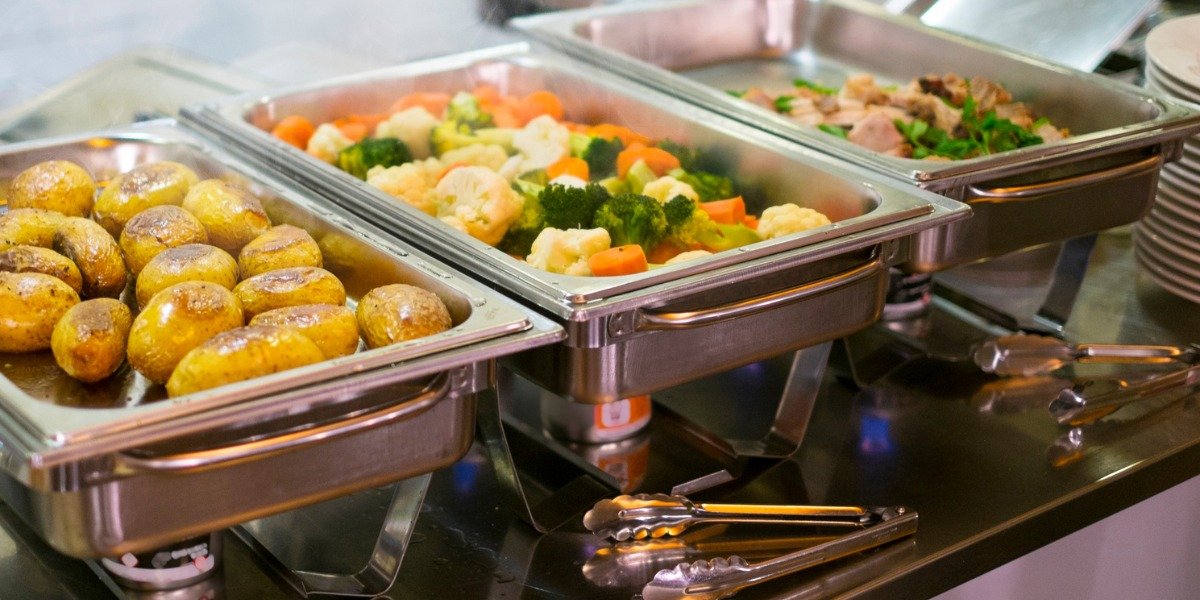
From the perspective of the restaurant owner, the buffet is a highly efficient model, especially for handling the lunch rush. It solves several business challenges at once.
This efficiency means the restaurants can afford to offer you a great, all-you-can-eat price. It’s a win-win situation where the diner gets value and variety, and the business runs smoothly.
The Indian buffet is more than just a place to eat lunch. It represents a wonderful success story about culture, entrepreneurship, and food sharing. It showed the world that Indian cuisine is not just deep and complex, but also accessible and unbelievably satisfying. It gave you the freedom to explore an entire world of flavor, plate by plate.
The history is rich, the food is plentiful, and the price is right. Next time you grab that steaming piece of naan and scoop up a little more Aloo Gobi, take a moment to appreciate the journey that food took to get to your plate. We are all better for it.