
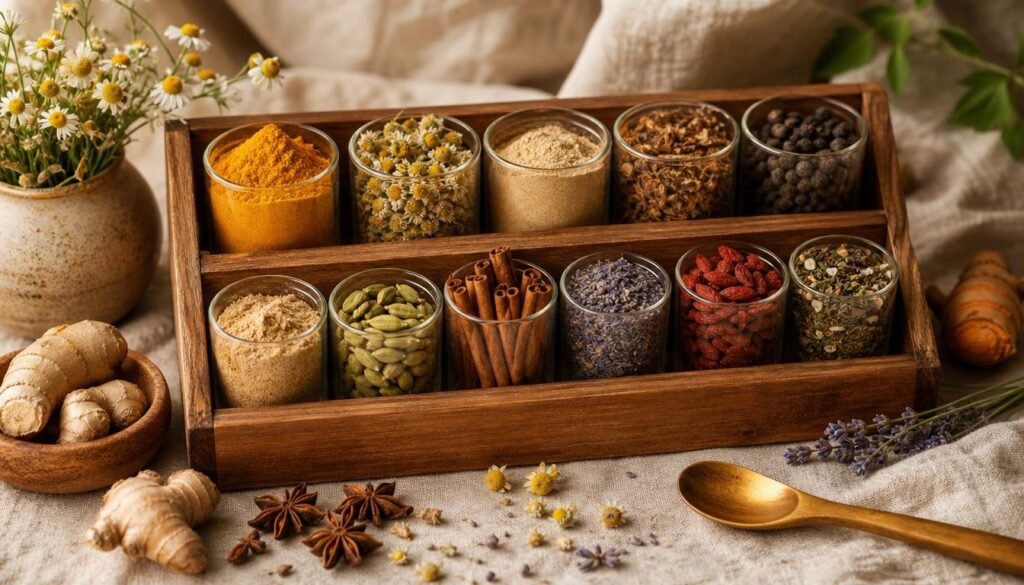
Indian spices have been treasured for thousands of years, not only for their incredible flavors but also for their remarkable medicinal properties. An Indian spices health benefits guide is essential for anyone looking to enhance their wellness journey through natural ingredients. Whether you’re a cooking enthusiast or someone seeking natural remedies, understanding the power of Indian spices can transform your health and culinary experience.
The Indian spices’ health benefits have been documented in ancient Ayurvedic texts and modern scientific research alike. These aromatic powerhouses contain bioactive compounds that support digestive health, reduce inflammation, boost immunity, and promote overall wellness. This comprehensive guide will introduce you to the most beneficial Indian spices and show you how to incorporate them into your daily life.
Indian cuisine is renowned worldwide, and much of its healing power comes from the spices used in traditional recipes. The Indian spices health benefits guide reveals that these ingredients offer far more than just flavor enhancement, they’re functional foods that can support your health goals.
Turmeric The Golden Healer
Turmeric is perhaps the most celebrated spice in the Indian spices health benefits spectrum. Rich in curcumin, this golden powder possesses powerful anti-inflammatory and antioxidant properties. Regular turmeric consumption may help reduce joint pain, support brain health, and improve digestion. Adding just half a teaspoon to your daily meals or enjoying golden milk (turmeric latte) can provide significant benefits over time.
Cumin: The Digestive Powerhouse
Cumin seeds are a staple in Indian cooking and are central to any Indian spices health benefits guide. These tiny seeds enhance digestive enzymes, improve metabolism, and help alleviate bloating and gas. Cumin also contains thymol, which stimulates the secretion of digestive acids, making it excellent for those with digestive sensitivities. A simple way to harness cumin benefits is to boil the seeds in water and drink the infusion.
Cardamom: The Queen of Spices
Cardamom holds a special place in traditional Indian wellness practices. This aromatic spice aids digestion, freshens breath, and has been used to support respiratory health. The essential oils in cardamom can help reduce inflammation in the digestive tract and improve nutrient absorption. Whether used in chai, desserts, or savory dishes, cardamom is an excellent addition to your Indian spices health benefits regimen.
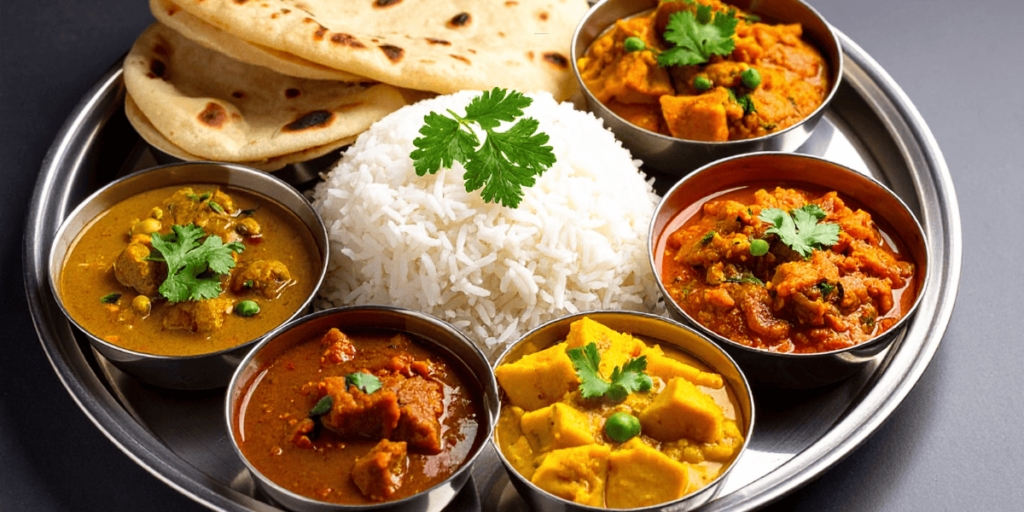
Beyond the primary three, numerous Indian spices contribute to your health benefits guide. Cinnamon helps regulate blood sugar levels, coriander supports digestive health and detoxification, and fenugreek may improve blood glucose control. Black pepper enhances the absorption of turmeric’s beneficial compounds, making it a perfect pairing. Cloves provide antimicrobial benefits, while asafetida (hing) aids digestion and reduces bloating.
Modern scientific research continues to validate what traditional Indian medicine has known for centuries. The Indian spices health benefits guide is supported by numerous peer-reviewed studies showing measurable health improvements. For instance, studies on turmeric show that curcumin can cross the blood-brain barrier, potentially supporting cognitive function and memory.
The bioactive compounds in Indian spices work synergistically. When combined in traditional recipes, these spices create a more potent effect than when used individually. This is why Indian cuisine often uses multiple spices togetherit’s both flavorful and therapeutically beneficial.
Understanding Indian spices and their health benefits is only half the battle; you must learn how to use them effectively. Here are practical ways to integrate these wellness powerhouses:
Morning Routine
Start your day with a warm cup of turmeric-ginger water or traditional chai made with cardamom and cinnamon. This establishes your Indian spices health benefits routine and supports digestive health before breakfast.
Cooking Methods
Use cumin seeds as a tempering medium (tadka) for lentils and rice dishes. Add coriander powder to curries and soups. Season roasted vegetables with a blend of Indian spices. Each cooking method activates different beneficial compounds.
Herbal Infusions
Create spice-infused water by boiling cumin seeds, cardamom pods, and cinnamon sticks. Drink this throughout the day to experience ongoing Indian spices health benefits without preparation time.
Supplements and Powders
Consider high-quality turmeric supplements with black pepper for enhanced absorption. Ensure products are third-party tested and sourced from reputable Indian spice suppliers.
To truly benefit from an Indian spices health benefits guide, consistency is crucial. Regular consumption is more effective than occasional use. Start with small amounts and gradually increase as your body adjusts to these potent ingredients.
Quality Matters
Source organic, fresh spices whenever possible. The potency of Indian spices’ health benefits depends significantly on quality and freshness. Whole spices retain their beneficial compounds longer than pre-ground options.
Combine with Healthy Habits
Indian spices work best when part of a comprehensive wellness approach that includes balanced nutrition, regular exercise, adequate sleep, and stress management.
Individual Variations
While the Indian spices health benefits guide provides general guidelines, individual responses vary. Some people may experience benefits more quickly, while others take longer. Listen to your body and adjust accordingly.
The Indian spices health benefits guide demonstrates that wellness can be delicious, accessible, and grounded in centuries of proven tradition. From turmeric’s anti-inflammatory power to cumin’s digestive support, these remarkable ingredients offer something for everyone seeking natural health enhancement.
Whether your goal is improving digestion, reducing inflammation, boosting immunity, or simply adding more flavor and nutrition to your meals, Indian spices provide a natural, effective solution. The key is understanding which spices serve your specific needs and using them consistently as part of a healthy lifestyle.
Begin your Indian spices health benefits journey today. Your body will thank you for nourishing it with these powerful, natural ingredients that have supported human health for millennia. The ancient wisdom of Ayurveda, validated by modern science, is now available to you one delicious spice at a time.
Have Questions? We’ve Got Answers!
This varies individually, but most people notice digestive improvements within 1-2 weeks of consistent use. Anti-inflammatory benefits and other health improvements may take 4-8 weeks of regular consumption. Consistency is key to maximizing your Indian spices health benefits guide results.
While generally safe, high doses of turmeric may interact with blood thinners. Pregnant women should consult healthcare providers before using concentrated spice supplements. Always start with culinary amounts and discuss any concerns with your doctor, especially if taking medications.
Yes, quality spice blends offer benefits, but whole spices or freshly ground options are superior. Check labels for additives and fillers. Making your own spice blends from whole spices maximizes the Indian spices health benefits guide effectiveness.
Store spices in airtight containers away from heat, light, and moisture. Keep them in a cool, dark cupboard rather than above the stove. Whole spices maintain potency for 1-2 years, while ground spices last 6-12 months. Proper storage preserves the beneficial compounds outlined in your Indian spices health benefits guide.
Indian spices are excellent complementary wellness tools but shouldn’t replace prescribed medical treatment. Use them to support overall health and work alongside medical care. Always consult healthcare professionals about your specific health conditions and medications before making significant dietary changes.