
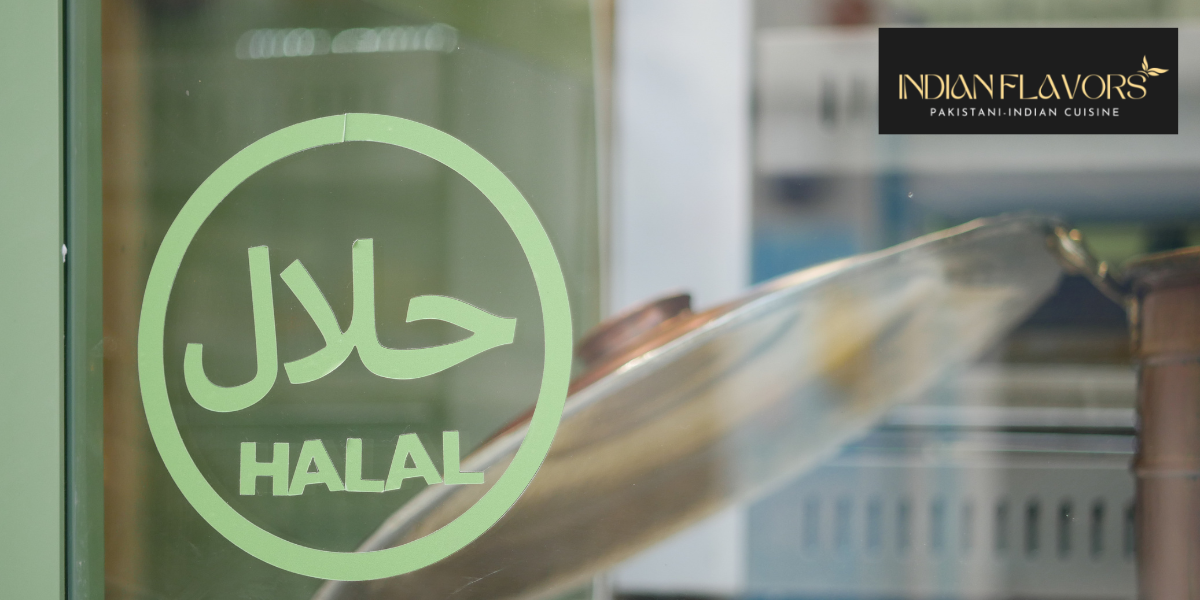
Indian cuisine is famous around the world for its rich flavors, aromatic spices, and diverse dishes. However, many people often wonder about the difference between halal Indian food and regular Indian cuisine. While both share similar spices, cooking styles, and traditional recipes, the main difference lies in the ingredients, preparation methods, and Islamic dietary laws followed in halal food.
Understanding the halal Indian food difference explained in this article will help you choose the right food according to your dietary preferences, religious beliefs, or lifestyle choices.
Halal is an Arabic word that means permissible in Islam. Halal food refers to food that is allowed according to Islamic dietary guidelines. These rules apply not only to meat but also to how food is prepared, processed, and stored.
This is one of the main points when discussing halal Indian food vs regular Indian food.
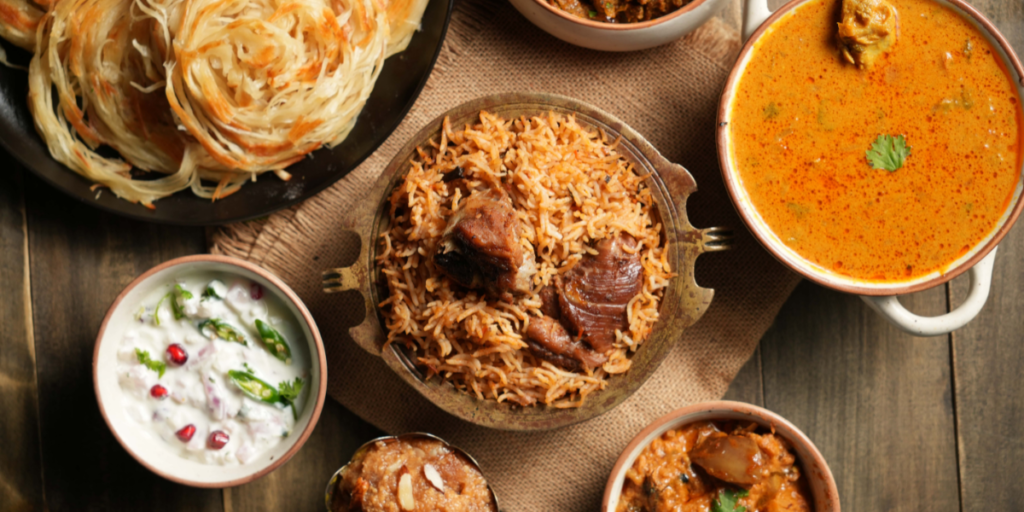
Here is what makes a regular Indian food different from Halal Indian Food:
The biggest difference between halal Indian food and regular Indian cuisine is the slaughter method. In halal food, the animal is slaughtered according to Islamic law Zabiha. In regular Indian food, meat may not follow halal slaughter rules.
This affects:
Halal meat is considered cleaner and more hygienic by many people because the blood is fully drained.
Halal Indian food does not include:
In regular Indian cuisine, some dishes may include alcohol based ingredients or pork, especially in certain regional cuisines like Goan or Christian Indian dishes.
In halal food preparation:
Regular Indian restaurants may cook everything in the same kitchen, which is not acceptable for strict halal diets.
Most vegetarian Indian food is naturally halal, but some ingredients must still be checked, such as:
Halal Indian food uses only halal certified ingredients.
Many people ask whether halal Indian food tastes different. The taste is mostly the same, but some people believe halal meat tastes better because:
However, spices, cooking style, and recipes remain mostly the same.
Many famous Indian dishes are available in halal versions, such as:
These dishes are halal if prepared with halal meat and halal ingredients.
No, not all Indian food is halal. Indian cuisine includes many different cultures and religions, so some food may not be halal.
Halal Indian Food:
Non-Halal Indian Food:
So always check whether the restaurant or food is halal certified.
Here are some easy ways to identify halal food:
This is especially important when eating at Indian restaurants in non Muslim countries.
Even non-Muslims sometimes prefer halal food because:
So halal food is not only about religion but also about cleanliness and food quality.
Feature | Halal Indian Food | Regular Indian Food |
Slaughter Method | Islamic Zabiha | Any method |
Pork | Not allowed | Allowed in some dishes |
Alcohol | Not allowed | Used in some recipes |
Ingredients | Halal certified | Not always halal |
Utensils | Separate | Shared |
Taste | Clean and fresh | Depends on cooking |
The halal Indian food difference explained comes down to ingredients, meat sourcing, cooking methods, and religious dietary laws. While the spices, flavors, and cooking styles are very similar, halal Indian food strictly follows Islamic guidelines, making it permissible for Muslims to eat.
If you are looking for clean, hygienic, and religiously permissible food, halal Indian cuisine is a great choice. However, if dietary restrictions are not a concern, regular Indian cuisine offers a wider variety of dishes, including some that are not halal.
Both types of cuisine are rich, flavorful, and deeply rooted in tradition, which is why Indian food remains one of the most loved cuisines in the world.
Have Questions? We’ve Got Answers!
The main difference is that halal food follows Islamic dietary laws, especially in the slaughter of animals and prohibition of pork and alcohol.
Yes, most vegetarian Indian food is halal, but ingredients like gelatin and cheese should be checked.
The taste is mostly the same, but halal meat may taste fresher and cleaner.
Muslims can eat regular Indian food only if it is halal and does not contain pork, alcohol, or non-halal meat.
Look for halal certification, ask the restaurant, or choose vegetarian dishes.