
Indian food is renowned for its bold flavors and variety, and its vegetarian dishes are now enjoyed worldwide. When you move to check the Indian food menu, you will find a variety of vegetarian Indian dishes that are rooted in India and are now enjoyed worldwide.
India’s food culture is deeply rooted in its vegetarian traditions. Every region tells its story through different flavors, colors, and aromas that win the heart.
According to Statista, around 39% of people in India follow a vegetarian diet, making the country home to one of the largest vegetarian populations globally. This strong food culture has inspired countless vegetarian recipes that are both delicious and healthy.
The roots of vegetarian Indian dishes go back thousands of years. In ancient India, food was deeply connected to religion, health, and lifestyle.
Many people followed a vegetarian diet because it aligned with the principle of ahimsa, which means non-violence toward all living beings. This belief is a key part of Hinduism, Jainism, and Buddhism, the three major religions that shaped Indian culture and food habits.
Over time, vegetarian cooking became a big part of daily life across the country. People started creating dishes using grains, lentils, vegetables, and dairy products, which were easy to find and full of nutrition.
Every region added its own touch, like the use of coconut in southern dishes or mustard seeds and yogurt in northern recipes.
Even today, India remains a global center for vegetarian cuisine. In fact, it is estimated that around 375 million Indians follow a vegetarian diet, showing how strong and lasting this food tradition is.
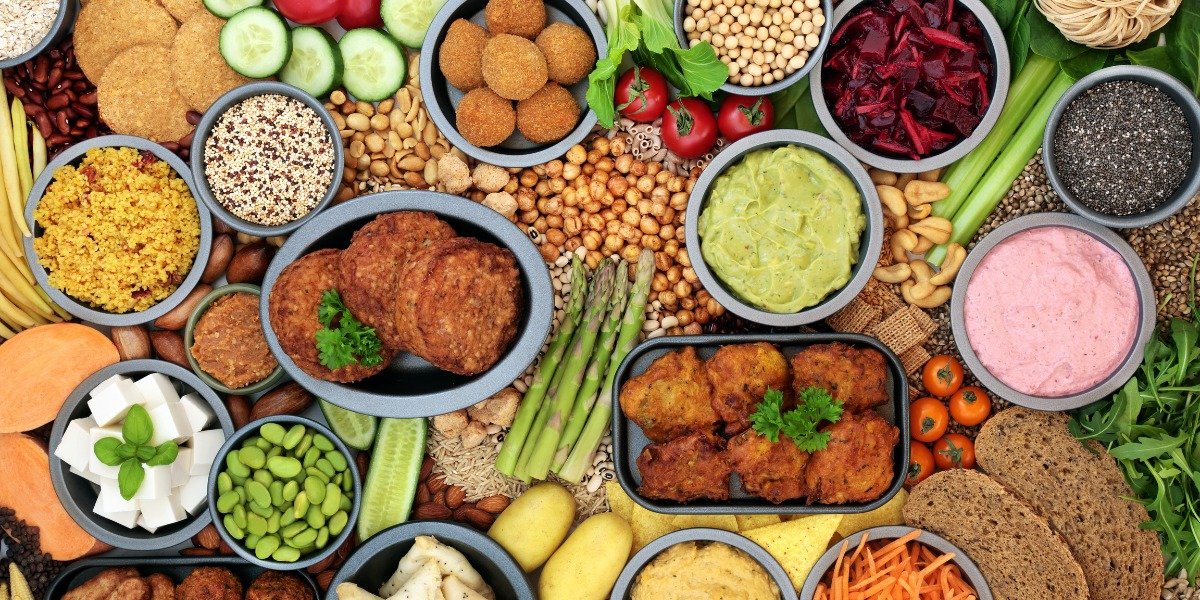
You might notice that vegetarian food holds a special place in India. As mentioned above this comes from many things, the religious beliefs and others like the easy availability of plant-based ingredients, and a deep tradition of cooking with pulses, grains, and vegetables.
In many Indian homes, vegetarian food is not just a diet choice. It’s a part of lifestyle and belief. These dishes often represent more than food; they carry a sense of family, region, and identity.
When you taste a dish from one state, you often taste its local soil, weather, and history too. Let’s go through a few vegetarian dishes that tell the story of India’s food culture. Each of them has something special, ingredients, technique, or roots that make it meaningful.
Chana Masala is one of the most loved vegetarian dishes in North India. It is made with chickpeas cooked in a tomato and onion base, mixed with spices such as cumin, coriander, and garam masala.
It shows how Indian cuisine uses legumes as a main source of protein. It is usually eaten with rice, roti, or deep-fried bread known as bhatura.
The balance between the tangy tomatoes and earthy chickpeas creates a comforting meal that is simple yet full of flavor. When you try Chana Masala, you taste a part of everyday Indian life. It is simple, hearty, and satisfying.
Palak Paneer combines two basic but loved ingredients. Paneer (Indian cottage cheese) and spinach. The spinach is cooked down into a smooth puree, flavored with garlic, ginger, and mild spices, then mixed with paneer cubes.
This dish highlights how Indian food uses dairy and greens to create balanced nutrition. Paneer provides protein, and spinach gives iron and vitamins, making the dish both healthy and filling. Palak Paneer has a creamy texture and a mild flavor that feels warm and homely. It is especially popular in the northern parts of India, where dairy plays a major role in cooking.
When you eat it, you will experience a perfect blend of freshness from spinach and softness from paneer, a true reflection of balance in Indian vegetarian food.
Aloo Gobi is another household favorite made with potatoes, cauliflower, and spices like turmeric, cumin, and ginger. It’s usually dry or semi-dry and goes well with roti or paratha.
The dish shows how Indian cooking turns simple vegetables into something delicious through spices and slow cooking.
It also reminds you that everyday meals in Indian homes can be both healthy and full of taste without needing meat or heavy ingredients.
Aloo Gobi represents simplicity. You can find it in home kitchens, restaurants, and even in lunch boxes. Its golden color and earthy aroma instantly feel like comfort food.
Dal or lentils are one of the most important parts of Indian vegetarian meals. There are many kinds, but two stand out for how they reflect regional cooking styles: Dal Tadka and Dal Makhani.
Dal Tadka is made with yellow lentils cooked until soft, then finished with a tempering of oil or ghee mixed with garlic, cumin, and red chili. It’s light, aromatic, and goes perfectly with rice or flatbread.
Dal Makhani, on the other hand, is made with black lentils and red kidney beans. It’s cooked slowly with butter and cream, giving it a rich texture and smoky flavor. Both dishes show how lentils form the backbone of Indian vegetarian cooking, giving you protein, comfort, and nourishment. They fit equally well on a daily meal table or a festive spread.
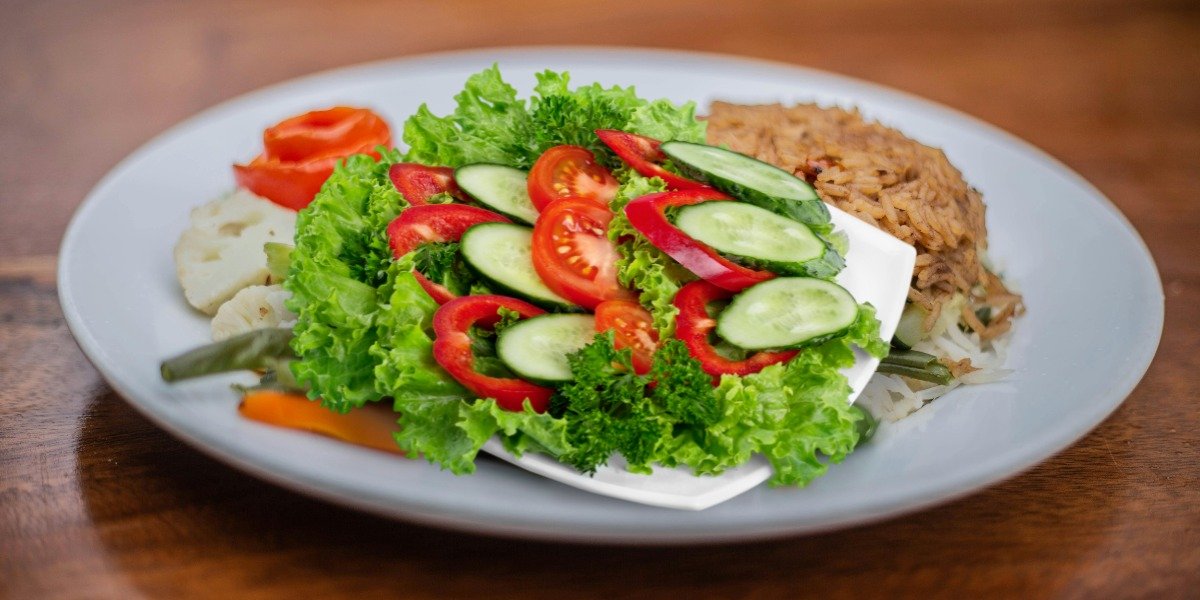
Biryani is often known as a rice dish with meat, but the vegetarian version holds just as much importance. Vegetable Biryani uses long-grain basmati rice, mixed with colorful vegetables, aromatic spices, and herbs. Sometimes nuts or fried onions are added for extra texture.
It’s usually cooked in layers, rice, vegetables, and spices sealed and slow-cooked to let the flavors mix beautifully. You can find versions of this dish all over India, Hyderabadi, Lucknowi, and South Indian styles, each having its own touch.
Vegetable Biryani represents celebration in Indian culture. It’s often served at weddings, festivals, and family gatherings. When you eat it, you feel the warmth and joy that Indian meals often bring to a table.
India’s vegetarian food is not one single style. It changes from one state to another. You might find rice and coconut dominating in the South, while wheat and lentils take center stage in the North. In the West, you will see dishes that are slightly sweet and dry, and in the East, mustard oil and leafy greens are common.
For example, in South India, dishes like sambar, rasam, and dosa show how rice and lentils come together with tamarind and curry leaves.
In Gujarat, you will find dhokla and thepla made from fermented batter and whole grains. In Bengal, you will get dishes made with mustard oil and vegetables such as bottle gourd or pumpkin.
Every region has its own style, yet all of them follow the same heart. That is freshness, balance, and respect for the ingredients.
These vegetarian dishes are not just recipes; they are part of India’s way of life. They show how tradition, health, and community come together through food. They also reflect adaptability.
Each dish uses local ingredients that change with the season and region. You see how a country so large can create so many versions of comfort food, all vegetarian.
They show balance, too. Indian meals usually combine grains, vegetables, dairy, and legumes to ensure nutrition and taste go hand in hand. There are also emotions for many people; these dishes bring back memories of home, family gatherings, and shared meals.
If you are new to Indian food or want to try more vegetarian dishes, start with these classics. You can make them at home or order them at an Indian restaurant.
When you cook or taste them, notice the small details. How the spices balance the ingredients, how textures differ between dishes, and how simple ingredients turn into flavorful meals.
You can also explore how these dishes differ in different parts of India. Chana Masala in Punjab might taste different from that in Delhi. Dal Tadka in South India may have curry leaves, while in the North, it might use dry red chilies.
Every small change tells a story. It shows how Indian cooking is not about strict rules but about creativity and tradition coming together.