
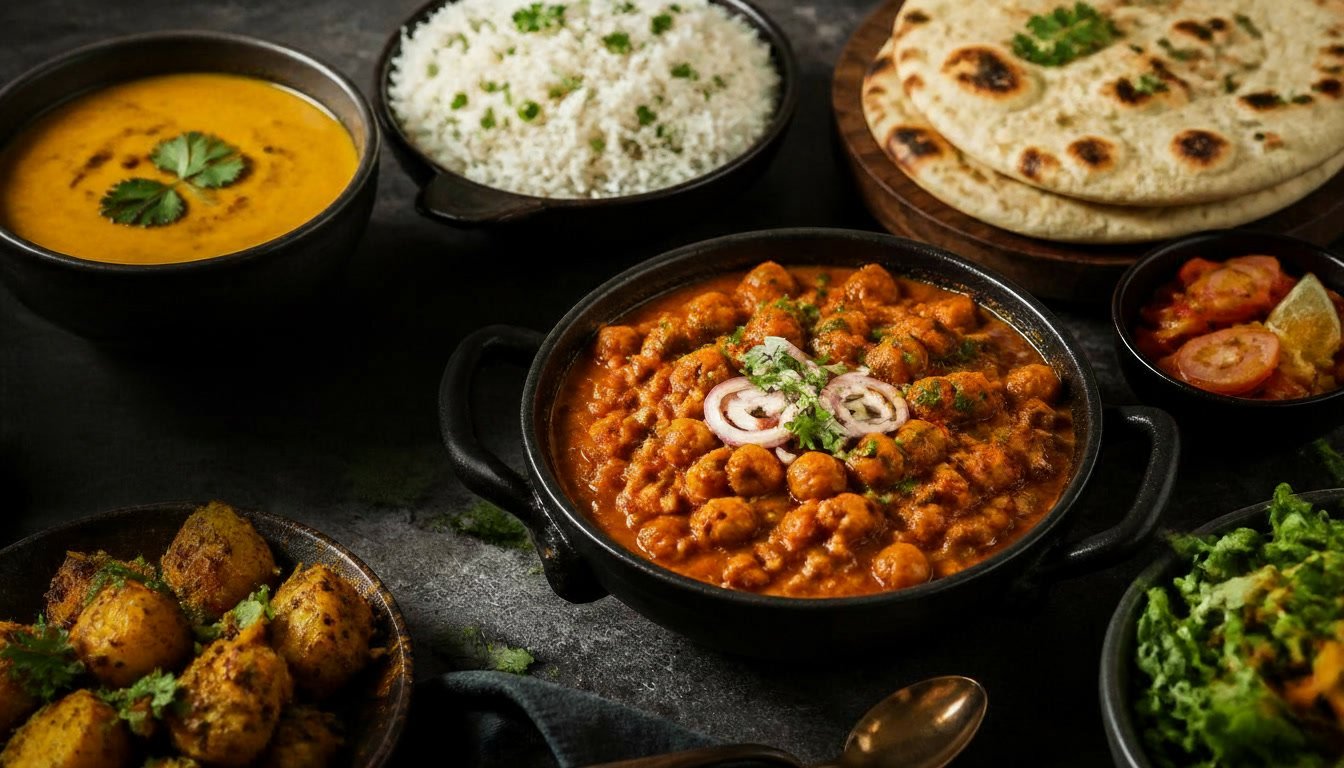
Indian cuisine has long been a haven for plant-based eaters, and that reputation has only grown stronger across the United States. From bustling city food halls to neighborhood restaurants, vegan vegetarian Indian dishes in the USA are winning over diners who want bold flavor without meat or dairy. Centuries of vegetarian cooking traditions in India mean that plant-based eating was never an afterthought; it was built into the cuisine from the start. Whether you are a lifelong vegetarian, a newly converted vegan, or simply curious about healthier dining options, this guide walks you through the dishes, ingredients, and experiences that make Indian food one of the most satisfying plant-based cuisines available in America today.
Unlike many global cuisines that treat vegetarian food as a side note, Indian cooking has entire regional traditions built around lentils, vegetables, grains, and spices. Religious and cultural practices across India have supported vegetarianism for thousands of years, which means cooks have had generations to perfect plant-based flavor. Spice blends, slow-cooked lentils, and clever vegetable preparations replace the need for meat-based richness, while coconut milk, cashew paste, and plant oils can easily stand in for dairy in most recipes. This deep culinary foundation is exactly why so many vegan and vegetarian Indian dishes in the USA taste just as satisfying as their non-vegetarian counterparts.
India’s regional diversity means vegan vegetarian Indian dishes look different depending on where a recipe comes from, and many American cities now offer a mix of regional specialties. South Indian restaurants are known for idli, dosa, and sambar, all of which are naturally vegan when made without ghee. Gujarati cuisine contributes thalis loaded with small vegetable preparations, dals, and rice, designed to be entirely plant-based and served in one generous platter. North Indian menus often feature dal makhani and chole, which can be made vegan with simple ingredient swaps, while Bengali kitchens are known for vegetable-forward dishes like shukto, a lightly spiced mixed vegetable stew. Exploring these regional differences is one of the most rewarding ways to experience how varied vegan and vegetarian Indian cooking can be, since no two regions season their lentils, rice, or vegetables quite the same way.
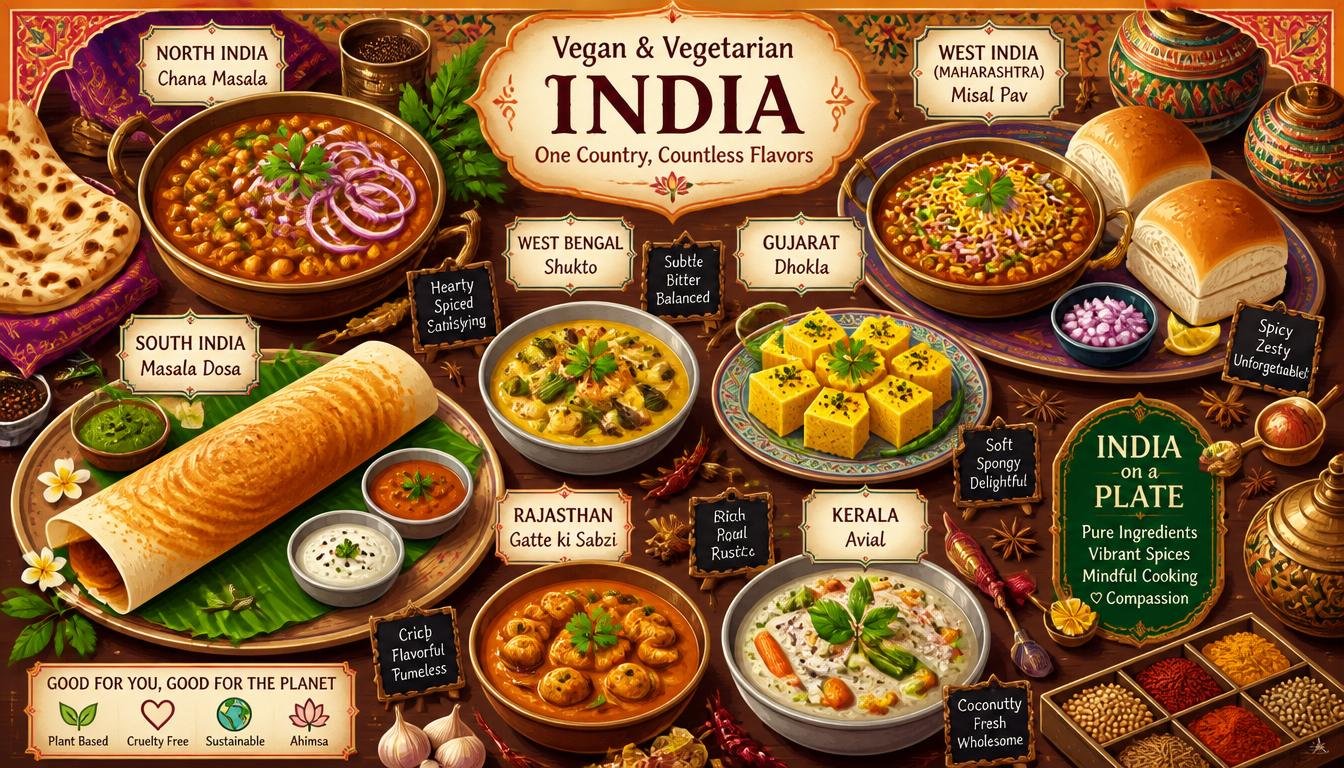
A great Indian meal often begins with small, flavorful bites. These appetizers are widely available at Indian restaurants across the USA and make an excellent introduction to vegetarian Indian cooking.
Curries are the heart of Indian cuisine, and many of the most beloved versions are entirely plant-based or easy to order vegan. These mains showcase how lentils, chickpeas, and vegetables can carry deep, layered flavor.
Many restaurants in the USA also offer vegan versions of classics like palak (spinach) curry and malai-style vegetable korma, using cashew or coconut cream instead of dairy. Always ask your server which dishes can be prepared without ghee or cream for a fully vegan plate.
No Indian meal feels complete without rice or bread on the table. Fortunately, most of these staples are naturally vegan or can be easily adapted.
If you are strictly vegan, it is worth double-checking how the bread is prepared, since many restaurants brush roti and naan with ghee for extra flavor before serving.
Lorem ipsum dolor sit amet, consectetur adipiscing elit. Ut elit tellus, luctus nec ullamcorper mattis, pulvinar dapibus leo.
Street food culture has found a strong following among American diners looking for fun, shareable, plant-based snacks. These dishes are increasingly easy to find at Indian restaurants, food trucks, and pop-up stalls.
Beyond great taste, plant-based Indian dishes offer real nutritional advantages. Lentils and chickpeas deliver plant protein and fiber, while turmeric, ginger, and garlic bring natural anti-inflammatory properties to the table. Vegetable-forward curries are typically lower in saturated fat than cream- or meat-heavy dishes, and the heavy use of whole spices means meals are flavorful without relying on excess salt or sugar. For anyone trying to eat more plants without sacrificing satisfaction, Indian cuisine offers one of the most flavorful paths to do so.
A few simple habits make it much easier to enjoy a fully plant-based Indian meal when dining out.
From comforting dal to crispy street food snacks, vegan vegetarian Indian dishes in the USA prove that plant-based eating can be every bit as exciting as any other style of cooking. With centuries of tradition behind it, Indian cuisine gives diners endless ways to enjoy bold spices, hearty textures, and satisfying meals without meat or dairy. The next time you are deciding where to eat, consider exploring an Indian menu. Your plate is likely to be more plant-based than you expect, and far more delicious than you imagined.
Have Questions? We’ve Got Answers!
A large portion of Indian cuisine is naturally vegetarian, especially dishes built around lentils, vegetables, and rice. True vegan dishes require a bit more attention, since ghee, cream, and yogurt are common additions, but many classic dishes can be made vegan with simple substitutions.
Chana masala and vegetable biryani are great starting points. Both are widely available, naturally plant-based when prepared without ghee, and offer familiar, approachable flavors for first-time diners.
Look for words like paneer, cream, malai, or ghee on the menu, since these typically indicate dairy. When in doubt, ask your server directly, as most Indian restaurants are familiar with vegan requests and can adjust preparation.
Yes, most Indian restaurants across the USA are well-equipped to handle vegan requests, since plant-based cooking is already central to the cuisine. Many menus even include a dedicated vegan or vegetarian section.
Dishes like butter chicken, paneer-based curries made with cream, and traditional naan or roti brushed with ghee are not vegan by default. These can often be modified, so it is worth asking before ordering.